

Signs of Bullying in School: Essential Parent Guide
Important signs of bullying in school include unexplained injuries or damaged belongings, repeated headaches, disrupted sleep, falling grades, lost friendships, school refusal and distress after device use. No single sign proves bullying. A cluster, sudden change or repeated pattern should prompt a calm conversation and documented contact with the school.
Children may stay silent because they fear retaliation, blame or losing phone access. Lead with safety and belief: “I am glad you told me. This is not your fault. We will work out the next step together.”
Which signs of bullying in school matter?
The warning signs that matter most are changes from the child’s normal pattern, especially when several appear together. Physical, emotional, social, academic and digital signs may be visible at different times. Observe without assuming a cause.
What physical signs may appear?
Look for injuries without a clear explanation, torn clothing, missing money or belongings, sleep disturbance, nightmares, appetite change and frequent headaches or stomach aches. A child may repeatedly visit the nurse or ask to stay home, but health causes still need proper assessment.
What school changes may appear?
Watch for school refusal, route changes, avoiding the bus or toilet, falling participation, sudden grade changes and loss of friends. The U.S. government’s StopBullying.gov warning-sign guide notes that not every bullied child shows signs, so regular, low-pressure conversation matters.
What are cyberbullying signs?
Possible cyberbullying signs include distress after notifications, abruptly closing screens, deleting accounts, avoiding devices previously enjoyed or becoming intensely protective of them. Do not confiscate the device immediately unless safety requires it; doing so may remove evidence and make a child reluctant to report again.
Quick takeaway: Look for clusters and changes from the child’s baseline. Physical symptoms, avoidance, social change and device distress need calm investigation, not instant conclusions. This supports signs of bullying in school through repeatable, age-appropriate steps.
How should parents start the conversation?
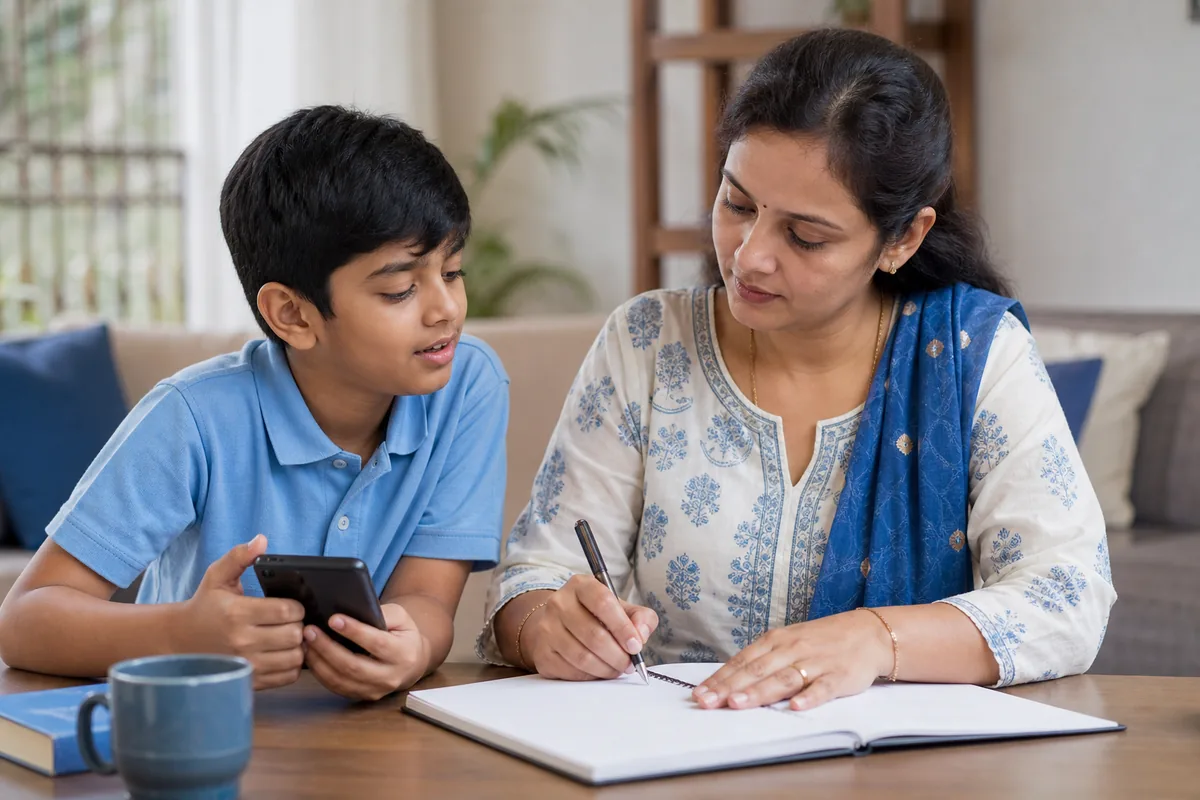
Start privately, at a calm time, with one observation and an open question: “I noticed you have asked to miss the bus three times. What has the journey been like?” Listen without interrupting and avoid asking why the child did not stop it.
Clarify what happened, who was present, where, when and whether it has happened before. Use the child’s own words in your notes. Ask what would help them feel safer tomorrow and whether they fear a particular response from adults or peers.
Do not promise secrecy you cannot keep. Explain that you will share only with adults who need to help, and involve the child in the plan. Do not arrange a direct confrontation with another family or tell children to fight back; these actions can increase risk.
When children need practice naming feelings and safe next actions, our guide to emotional regulation for children provides a useful framework once that scheduled post is live.
Quick takeaway: Lead with an observation, listen without blame and explain the next step. The first response influences whether a child keeps sharing.
What should parents document?
Document dates, times, locations, people present, exact words or actions, physical effects, screenshots and previous reports. Keep the record factual and chronological. This helps the school identify supervision gaps and measure whether its response works.
For digital evidence, save full screenshots showing account, date and context; preserve URLs or message details where available. Do not redistribute humiliating content more widely than necessary. Report threats, sexual exploitation, stalking or immediate danger to the relevant platform and appropriate local authorities.
Email the designated teacher or safeguarding lead with a concise summary, evidence and a request for a meeting. Ask how immediate safety will be maintained, who will check in with the child, how incidents can be reported and when you will receive an update.
Transport can be a setting for repeated harm when supervision and handover are unclear. Our school transport safety checklist helps families ask specific questions about attendants, routes and accountability.
Quick takeaway: Create a factual timeline and request a named safety plan, responsible adult and review date. Documentation supports action without inflaming the situation.
How can schools prevent bullying?
Schools prevent bullying through clear reporting routes, trained adults, active supervision, consistent responses, inclusive classroom practice and ongoing review of patterns. One assembly is not a prevention system. Children must know which adult will listen and what happens after a report.
Ask where incidents cluster: buses, corridors, toilets, playground edges, group chats or transitions. Effective supervision places adults where risk occurs, not only where it is convenient. Peer inclusion should be taught and practised rather than left to slogans.
Responses should protect the targeted child without isolating them or forcing mediation. Bullying involves a power imbalance; a face-to-face apology meeting may be inappropriate unless trained staff assess safety and the child freely agrees.
Capital International School encourages families to assess safety, communication and student support as connected systems. Parents visiting a school can use our campus visit checklist to examine supervision and school climate directly.

Quick takeaway: Prevention requires reporting, supervision, consistent follow-through and inclusive daily practice. A one-time awareness event is not enough. This keeps signs of bullying in school practical and sustainable for families.
What do parents ask most?
These answers help families apply signs of bullying in school to everyday routines. Adapt the guidance to your child’s age, health, school context and individual needs, and seek qualified support when safety or persistent difficulty is involved.
Capital International School supports families exploring signs of bullying in school through purposeful learning, wellbeing, physical development and clear family-school communication. For programme-specific guidance, speak with the school team.